Data Helix Research

Research projects

Explore the work and ideas of our research group.

Bioinformatics & Drug Discovery

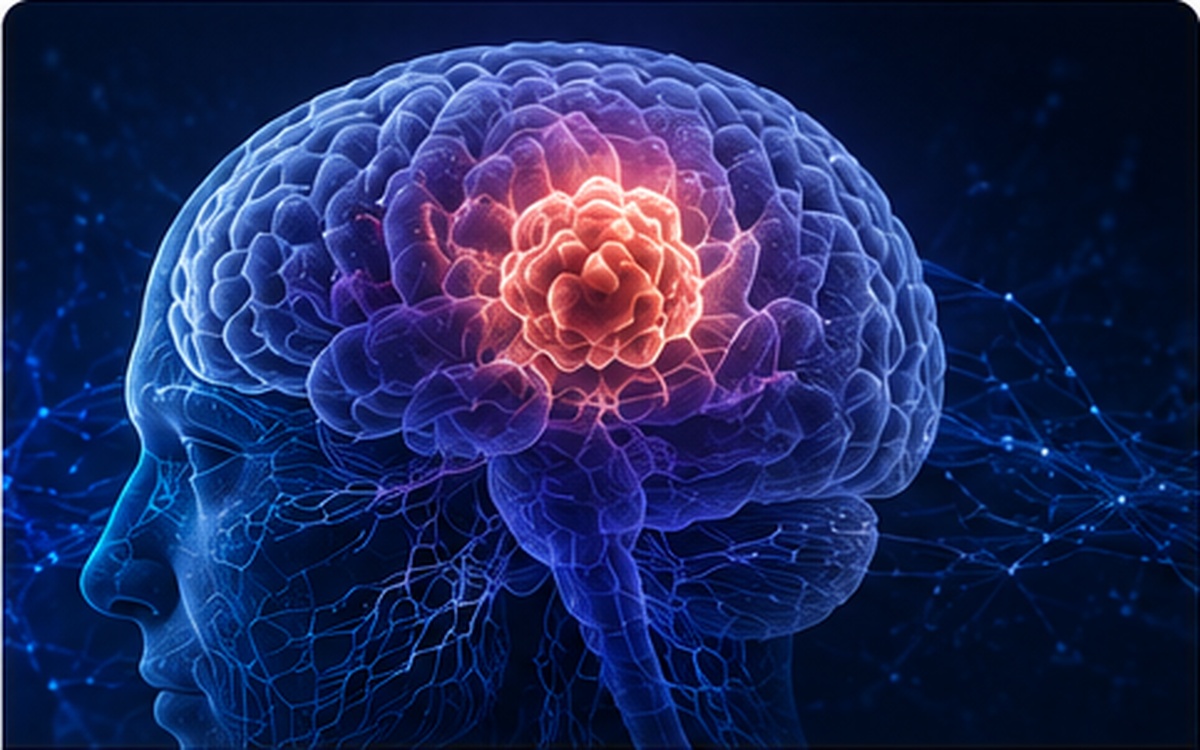
Integrative Identification of Therapeutic Targets in Glioblastoma

This project integrates transcriptomic datasets from glioblastoma tumors and normal brain tissues to identify differentially expressed genes, functional pathways, and central hub genes. Candidate therapeutic compounds are then evaluated through drug–target analysis and molecular modeling.

Read more →

Network Pharmacology

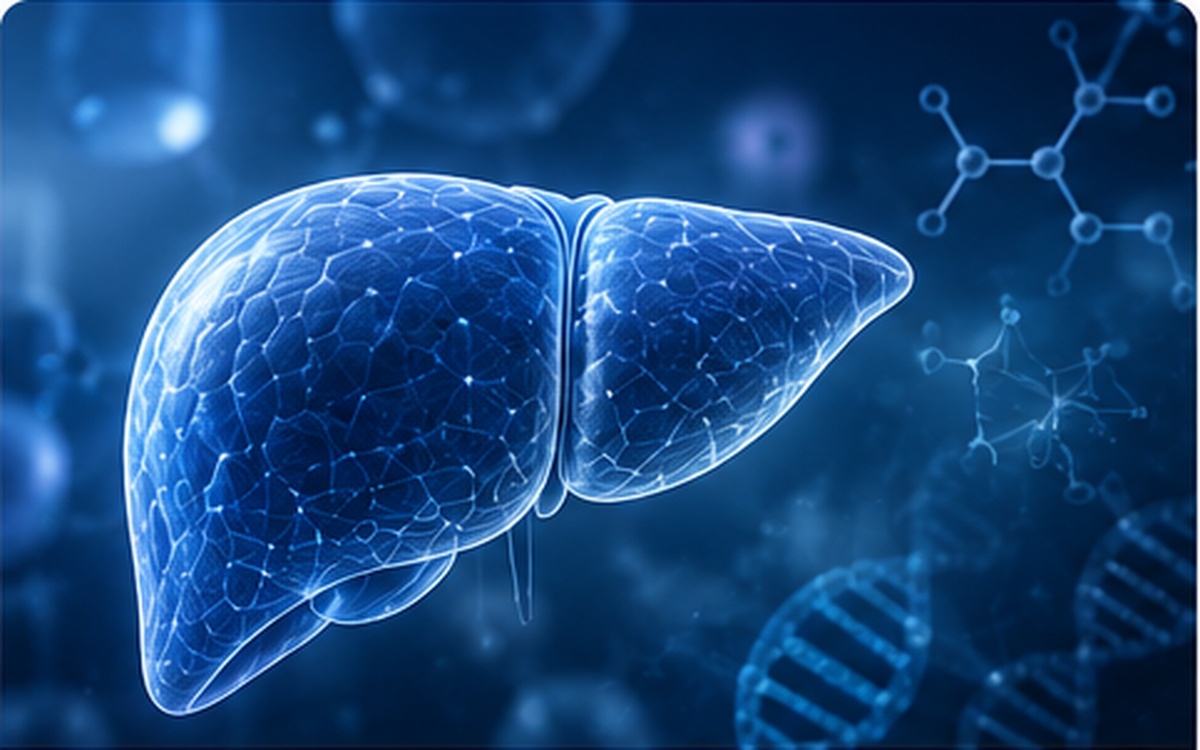
Therapeutic Target Discovery in Alcohol-Related Liver Disease

This study investigates molecular alterations associated with alcohol-related liver disease and fibrosis. Public transcriptomic datasets are analyzed to identify key genes and pathways, followed by computational prioritization of existing drugs with potential therapeutic activity.

Read more →
Antimicrobial Research

Computational Target Analysis of Catheter-Associated Bacterial Biofilms

This project focuses on molecular targets involved in catheter-associated Escherichia coli biofilm formation and antimicrobial resistance. Computational approaches are used to evaluate the potential combined effects of ciprofloxacin and N-acetylcysteine on biofilm-related proteins.

Read more →
Machine Learning & Biosensors

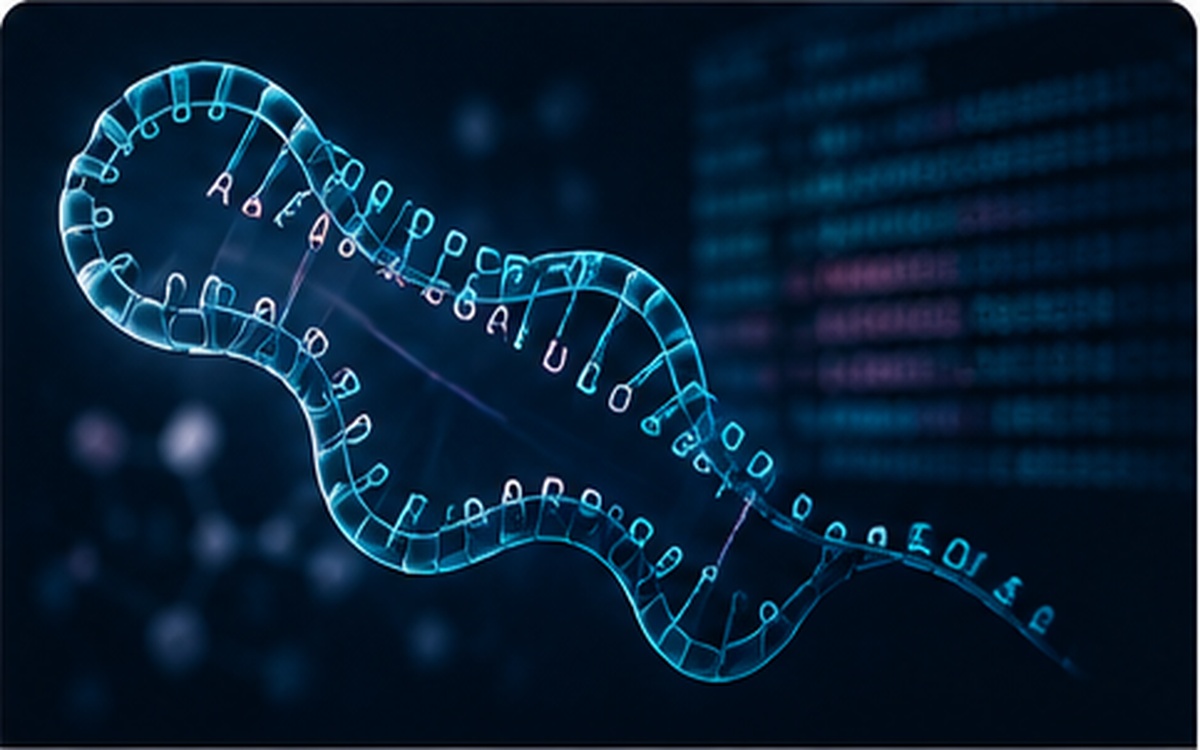
Machine-Learning-Assisted Design of Aptamer Biosensors

This project develops a computational workflow for selecting and optimizing aptamer candidates against biomedical targets. Machine-learning models, molecular docking, and molecular dynamics simulations are combined to assess binding affinity, structural stability, and biosensor potential.

Read more →
Computational Genomics

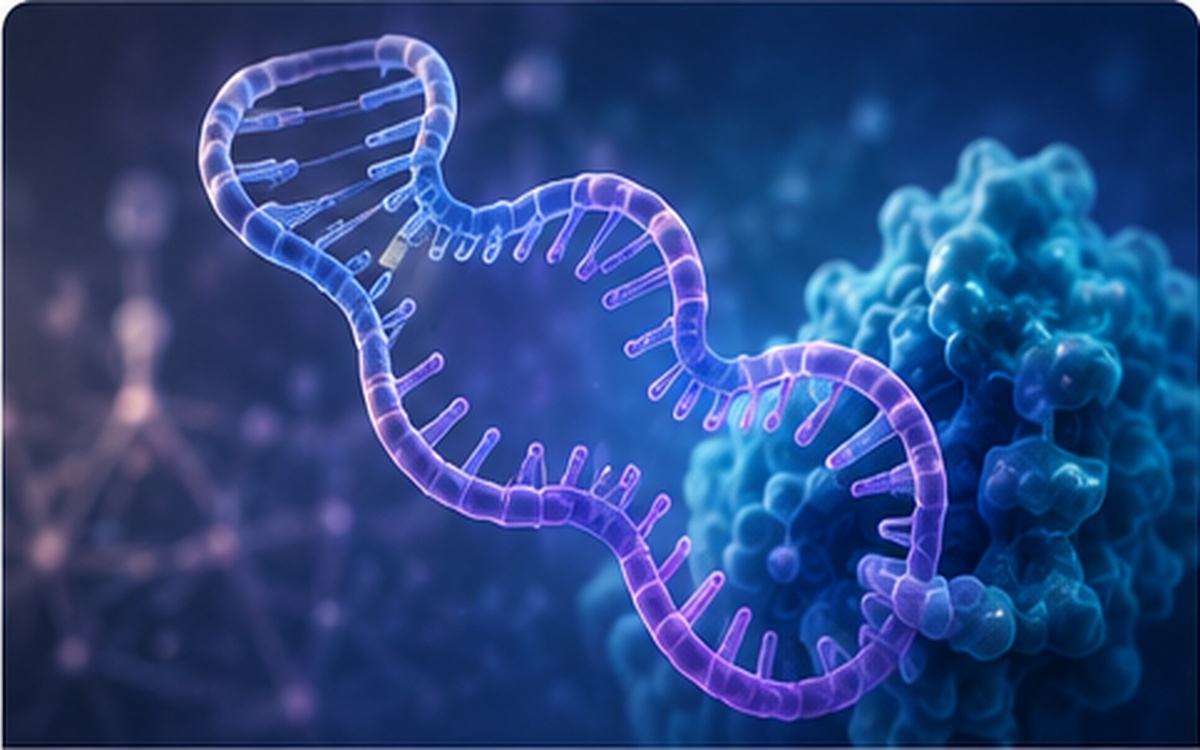
Identification of Ribosomal Frameshifting Signals in Resistance Genes

This project investigates putative programmed ribosomal frameshifting signals in the mcr family of colistin-resistance genes. RNA secondary structures and pseudoknot-forming regions are analyzed to explore their possible regulatory roles in antimicrobial resistance.

Read more →
Computational Drug Delivery

Comparative Design of Lipid and Exosome-Based Drug Carriers

This project compares lipid-based and exosome-inspired delivery systems for selected therapeutic compounds. Computational modeling is used to investigate drug loading, carrier interactions, structural stability, and potential delivery efficiency.

Read more →